Bread, Batteries and Betrayal: Ten UK Storm Panic Buys Still Cluttering the Cupboard, Ranked
There is a particular sound to a British storm warning. It is not the wind rattling the double glazing. It is the simultaneous click of thousands of car boots opening as the nation decides that what it really needs, at 4pm on a Thursday, is four pints of semi-skimmed and a loaf that will be fossilised by Saturday.
As named-storm season rattles the UK in November 2026, the ritual is already under way. The Met Office issues a yellow warning. The local Facebook group issues a red one. Somebody posts a photo of an empty bread aisle with the caption “here we go again”, and within hours the cupboard under the stairs is groaning with purchases that will outlive the power cut, the storm and, quite possibly, the mortgage.
This is not a criticism. It is a forensic appreciation. Below are the ten classic storm panic buys, ranked not by usefulness but by their ability to linger in British homes like a polite but unshakeable houseguest.
10. The Four-Pint Milk Tribute
No storm is officially real until the milk has been rationed by sheer social pressure. Buying one pint looks casual; buying four signals that you alone will keep the street's tea economy afloat. The tragedy is that the power cut arrives, the fridge warms, and the milk turns into a yoghurt-based science experiment before anyone has finished the first carton. It remains in the fridge door for a week afterwards, judging you every time you reach for the ketchup.
9. The Loaf of National Optimism
Bread is the great British panic buy because it feels sensible in the moment. It is cheap, it is comforting, and it suggests a person who might make toast by candlelight while singing a sea shanty. In reality, the loaf is bought on Tuesday and by the time the storm hits on Thursday it has the structural integrity of a cushion. It is then repurposed as breadcrumbs, then as bird food, then as a decorative item behind the toaster.
8. The Torch With No Batteries
Every household has one. It lives in a drawer beside a single Allen key and a takeaway menu from 2018. The torch is produced during the storm with great ceremony, clicked twice, and then handed to a child with the words “we'll find the batteries later”. Later never comes. The torch is returned to the drawer, where it will remain until the next named storm, at which point the cycle repeats with the solemnity of a royal occasion.
7. The Battery Multipack That Contains Every Size Except the One Needed
A close relative of the torch. The multipack promises preparedness but delivers AA, AAA and a mysterious C-cell that fits nothing in the modern home. It is bought because it looks like adulting. It is opened because the TV remote has died. It is then stored in a kitchen drawer where it slowly leaks, corrodes and becomes a small metallic monument to hope.
6. The Candle That Smells of Something Aggressively Seasonal
When the power goes out, Britain does not want a plain candle. Britain wants a candle called “Winter Thyme & Smoked Oak” that was bought in a garden centre in a moment of weakness and now fills the living room with the scent of a posh shed. It is lit for forty minutes, mostly so somebody can say “ooh, that's nice” before the smoke alarm goes off. The candle is then kept for aesthetic reasons, despite having melted into a shape that resembles a disappointed ghost.
5. The Bottled Water Arsenal
Bottled water is the panic buy of people who have watched one too many disaster documentaries. Six large bottles are purchased and placed in the utility room, where they are guarded with the seriousness of a military installation. The storm passes. The water remains. Nobody drinks it because the tap still works, but throwing it away feels like admitting defeat. It is eventually used to fill the iron, one cautious centimetre at a time.
4. The Tinned Soup Bunker
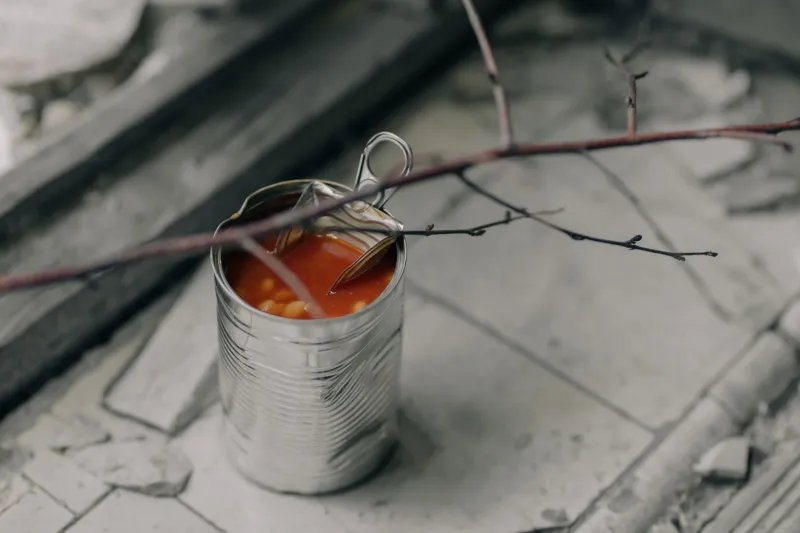
Tinned soup is the unofficial currency of British storm preparation. It is bought in quantities that suggest a siege, stacked in a cupboard, and then ignored for eleven months. The storm arrives, the family eats one tin of tomato soup with slightly stale bread, and the rest is returned to the bunker. By the following November, the tins have become part of the furniture. Some have best-before dates older than the current government.
3. The Portable Radio That Has Never Been Tuned
There is something deeply wholesome about buying a portable radio for a storm. It suggests a person who will sit by the window listening to local news while the wind howls outside. In practice, the radio is switched on, emits a burst of static, is fiddled with for two minutes, and is then replaced by a phone that has 12% battery. The radio is kept anyway, because it feels wrong to throw away a device that once promised emergency broadcasts.
2. The Sandbag That Was Never Quite Needed
Sandbags are the great theatrical prop of British storm preparation. They are bought or filled with compost in a frenzy of neighbourly one-upmanship, stacked against the back door, and then left there long after the rain has stopped. They become a permanent feature of the garden, slowly turning green, while the owner insists they are “just in case”. The wheelie bin, meanwhile, has already blown over and is halfway down the road like an escaped shopping trolley.
1. The Emergency Generator Everyone Discussed but Nobody Bought
At every storm, at least one neighbour mentions the generator. It is discussed over the fence with the reverence usually reserved for a new car. It would keep the freezer running, the boiler alive and the Wi-Fi on. It would make them the hero of the cul-de-sac. It is never bought. Instead, the family gathers around the last working phone, eats tinned soup by candlelight, and agrees that honestly, it wasn't that bad.
The Verdict
The great British storm panic buy is not really about the storm. It is about control, comfort and the quiet belief that if you have enough bread and batteries, you can outwit the weather. The power comes back, the warning passes, and the cupboard under the stairs becomes a small museum of national optimism. Until next November, when the car boots open once more.